Showing posts with label nantasket. Show all posts

Monday, October 28, 2024

A FINE DAY FOR SAILING by Peter Nolan Smith

My grandmother hailed from County Mayo in Ireland. Her last name was Walsh. At the age of fourteen Nana traveled to Boston by ship. Most of the other passengers were cattle.

"It was an awful crossing. Storms most of the way. We sailed in the Year of the Crow," she told her grandchildren in her lovely Gaelic accent.

"When was that?" I asked to pin down her age.

"That's my secret."

Women from the West of Ireland were experts at keeping secrets, however that ocean voyage was so traumatic that she had never returned to Ireland, even though every year my mother and her sisters offered to fly Nana to Shannon.

“I don’t want to see that ocean again.”

She was adamant with this decision and avoided any sight of the sea.

In the summer of 1958 my older brother and I regularly stayed at Nana's house in Jamaica Plains to give my parents a break from taking care of six children.

One weekend my parents proposed Nana to take the ferry and meet them for a family outing at Nantasket Beach. They were taking our younger siblings to a church event farther down the South Shore. Nana's other daughters were bringing her grandchildren and Nana loved us all.

"You'll save us a long ride back there."

"I'll not take the ferry. We'll take the bus."

"The bus will take hours," said my mother.

"The ferry is a short ride." My father had been born on the coast of Maine and like mother he loved swimming in ocean.

"Nana, can we go?" I pleaded with her. "I've never been on a ship."

"I don't like the sea.

"It's not the sea. It's a harbor."

"All the same to me, but I'll do it, because I love you." Nana shut her eyes, as if she were reliving a horror of that North Atlantic crossing from the Year of the Crow.

"Thank you," my mother hugged her youngest daughter and they left Nana's Jamaica Plains apartment with my brothers and sisters for our home under the Blue Hills.

The next day was a hot day and we looked forward to the swim in the cold green Atlantic. The three of us rode the train from Forest Hills to Haymarket and then walked to Lowe's Wharf. The pennants on the SS Nantasket flapped in the light breeze.

Not a single cloud marred on the sky above the calm harbor.

"Looks like a fine day for sailing," the purser said taking our tickets.

"I've heard that before and from another man staying on land."

Nana sat us inside the steamship. The ferry departed on time and the sea breeze cooled the hundreds of the passengers. A clown prowled the lower decks to entertain the children. He had a funny wig and big floppy feet. He scared my brother and me and we kept our distance.

The trip was scheduled to last about 30-40 minutes, however the wind picked up once we cleared Georges Island and the sea smashed over the bow. Nana clung to my brother and me, while the clown and scores of children slid across the tilting deck.

"Was your trip on the Atlantic this bad?' asked my brother.

"The waves were tall as buildings. The ship was awash water. Cows were swept overboard. They screamed moos in the ocean. I can hear them now."

She unleashed a mournful moo.

It sounded of death.

"And people were lost?" My brother gaped at the waves crashing over the hull.

"Cows only. Thank God," Nana muttered a prayer and pulled us close.

Several minutes later the storm ended faster than it began and we landed at Nantasket on schedule.

My mother stood outside the Waiting Station on the pier.

"Say nothing," Nana said walking down the gangplank.

Yes, Nana." The Irish knew how to hold their sand.

"How was the trip?" asked my mother, seeing the abating panic in the eyes of the other passengers.

"Grand."

"So what about a trip to Ireland?"

"Not a chance."

Nana spent the afternoon at the bandshell. Her feet didn't touch the beach. She was glad to leave Nantasket and even happier to arrive back to her house in Jamaica Plains. It was far from the wicked sea. She kissed us good-night.

"It was a fine day for sailing," I told her.

"That it was."

Nana had a way with words, but an even better one without words.

Her kiss was my ticket to dreamland and none of those dreams involved the ocean.

Maith รก aithne agam uirthi.

I finally figured out the Year of the Crow. Nana's birth year was a mystery, until I looked at her marriage certificate from 1919. She married Peter Nolan from the Aran Isles. He was 34 and she was 26. Her date of birth was 1893, unless she lied about her age, as had my mother on her driver's license. She had been fourteen at the time of her crossing the Atlantic in 1907. Sent by her mother and father to help the family in Mayo. Five years before the Titanic.

Alone.

Coming down the gangway in Boston, she broke the heel on her shoe. Thankfully her Uncle Michael, a priest, was waiting on the dock. This wasn't a tourist trip and he took her right up to Salem to be a serving girl for the rich. Never to go to sea again, except with us. So long ago.

Foto - Nana Nolan and Me - 1953

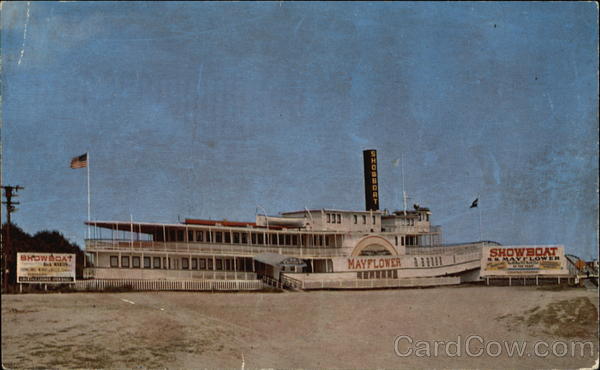
Other Information The Mayflower provided passenger service between Boston and Nantasket Beach from the 1890s through the 1930s. In the 1940s she was taken out of service, grounded at Nantasket Beach, and converted into a nightclub called the the Showboat. The Showboat operated for many years, but by the 1970s, it had become a derelict and abandoned structure. In the autumn of 1979, it caught fire under unknown circumstances and burned to the ground.

The steamers of the Nantasket Beach Steamboat Line were a popular mode of transportation in the early 1900s. They provided quick and easy transportation between Boston and Nantasket Beach, and other destinations around Boston Harbor and the Massachusetts South Shore. On Thanksgiving Day in 1929 (November 28th), the company's six steamers were docked for the winter at Nantasket's Steamboat Wharf (Nantasket Pier). On that day, a large fire broke out and destroyed 5 of the steamers -- the Nantasket, Mary Chilton, Old Colony, Rose Standish and Betty Alden. Only the Mayflower was pulled to safety and survived the fire. For more information on the 1929 Steamboat Wharf fire.Other Information The Mayflower provided passenger service between Boston and Nantasket Beach from the 1890s through the 1930s. In the 1940s she was taken out of service, grounded at Nantasket Beach, and converted into a nightclub called the the Showboat. The Showboat operated for many years, but by the 1970s, it had become a derelict and abandoned structure. In the autumn of 1979, it caught fire under unknown circumstances and burned to the ground.

from wreckhunters.com

Tuesday, August 13, 2024

NORTH OF HERE BY
 PETER NOLAN SMITH

NORTH OF HERE

BY

PETER NOLAN SMITH

The only problem with Maine is that you can’t eat the scenery - James Steele 1978

MANGOZEEN BOOKS 2024

VERMONT WINTAH 1973

A blizzard buried Montreal The temp arctic. Minus zero. Crashing with two New Zealanders Across the street From the Winston Churchill Pub Only forty feet through chest high snow. To get a beer was a gamble. Life, death or frozen limbs. More storms ahead On the morrow Sun. I bid adieu to my friends To Marie-Claire A waitress at the pub "I'll be back in the spring. Au revoir.”

I hitchhiked south. Boston bound. Grey low clouds Overhead Snow drops like clots of cream. A farmer drive me to the border Guards wave me through the frontier.

On American soil. No cars No trucks Only snow. And the cold cold wind. The night. Skin freezing Shivering bones Tears of ice. No traffic. Only snow and cold.

Finally headlights An Oldsmobile Toronado Front end transmission A Rocket V8 Over 4000 pounds. The V8 beast stops The lock pops up I brush off the snow Sit inside. Warmer than warm. The driver an old woman. "My name's Meryl. Can you drive in this."

"I'm from Maine. We know snow."

We switched seats. I drive 20 mph Into the snowy night Headlights barely pierce the snow. The only vehicle on the road On the way to Burlington.

I stayed the night Meryl cooks stew on the stove. After dinner A fire in the living room. Whiskey in a glass.

Outside the cold. The snow. The night howls around her house. Yellow birch burns in the fireplace. Warm feet Warm hands The room pure New England The North. Wintah 1973

FIRST FIRST SNOW IN NYC 2024

No snow In New York City. Not cold neither. Three years now.

Yesterday Two inches of snow. Cold. Not Omaha cold -40. 20 degrees Fahrenheit cold. And sunny. The wind a cruel cold Fort Greene Park. The two inches of snow trampled Thousands and thousands of feets. Each child's step immortalized in the cold. Steps atop steps Like the ruins atop Troy.

The slope down from the Monument Snow flattened by children's sleds. Hundreds of sleds Thousands of shouts of glee.

This morning No one, but me and the sun and the snow And the cold. Near Arctic cold.

1957 Blackstrap Hill, Falmouth Maine Five years old With my brother, sister, and father. No sun. A gray sky. None of us cold. Inside our parkas. Children from Maine never cold Until the sun goes down. We trudge through knee-deep snow. Dragging a toboggan and a sled. To the top of Blackstrap I stand on the toboggan. Slides slowly over the snow. Arms out For balance. Picking up speed. My father, "Jump." I don't see why. More speed. I fly Faster and faster. Children in my path No stopping. I can't fall. I only fly. At the bottom of the hill A young girl In my path. No stopping Shut eyes. No thud. No scream. The toboggan arest. Open eyes. Step off. People laughing. Not my father. "Go to the car." I go, the girl's smile, I smile back. The station wagon locked. Sit on the snow The air cold, the snow cold. An hour later My father, brother, and sister Dragging the toboggan and sled. My father pulled me to my feet. "Sit in the front. I'll turn on the heat." Full blast all the way to Falmouth Foresides.

Not like today Out the wind In the sunlight Fort Greene Park Snow underfoot The first snow in three years But the same as Blackstrap, Because as my grandfather once said,"There are two seasons in Maine. The season of good sledding And the season a bad sledding." Truth in those words. Especially with more snow coming In two days. More Good sledding ahead.

THE LITTLEST BEAR

Vernon fished the Casco Bay from Peakes Island. The other day-fishers know his boat. A 1985 Seaway 22-footer running the Drunken Ledge, The Cod Ledges, Big Ridge, and the Tanta’s ‘punkin bottom’. Pollock and cod in the winter. All in sight of the Ram’s Head Light station. Vernon 56. Fishing all he know. Not speaking much, Except to the fish and his boat THE LITTLEST BEAR. Forty-one years of fishing Still has all his teeth and hair. Once a stud to the cougars at Billy Ray’s Tavern They thought he was worth one night. Not no more. He smells too much like fish.

On a sunny January day Vernon trailed two long lines Over the blister bottom of the Klondike. A good haul of cod to sell at the Portland pier. This his life. The wet of the sea, the smell of fish, and..... A three-foot wave broke o’er the bow. The sun low off the shore. No other boats were in sight. Wind from the north. Dark clouds on the flat horizon. Casco Bay not flat for long. Heavy seas ahead and behind. Still plenty of fish on the lines. Only two options; Haul in the catch or cut bait and head to the shelter of the nearest island. Inner Green. The cold Atlantic wind skates across his skin. Something bad Down East. Bad but not wicked. “Fuck it.” No fool Vernon cut the lines. Time to outrun the weather. Maybe not enough time. Throughout that evening the storm got serious. No one at Billy Ray’s Bar seen Vernon. Not asea nor ashore.

They say nothing. Saying something was bad luck. They drained their PBRs and watched the Bruins. At midnight the tavern door opened wide. Vernon. Drenched to the bone.

“Rough ride home. Two Jamie’s, a ‘Gansett.” He eyed the bar. Four other fishermen on the stools. Dry. “Get these landlubbers a drink too.” Vernon says nothing else. There was nothing to say. A lifted finger. Another round. As many afore closing Vernon knew his limit.

THE SOUL OF A SUMMER STUTTER

MmmmMagic Kkkklaxon Xxxxxray Thththat A childhood stutter and stammer slurred my speech. 1950s. Maine Across the narbor from Portland Mouth resisted the passage of the and ghs. Family and friends failed to decipher my words. Mangled consonants and muttered vowels in my mouth. Adults thought me stupid. Schoolmates thought me retarded. Three beat me. I soon understood everyone is stupid Even me.

My father took me to Maine Medical. Doctor's diagnosis “His tongue is too big for his mouth. Slicing his palate with razors will free his tongue to work more.” My father rejected their cure. “My son will live with a lisp.”

I had more than that A stammer, misjuxtaposition of syllables, lisp, mumbling Thereafter my own language. Words mine alone Understood by none.

Our family moved from Falmouth Foresides To the South Shore Of Boston A Catholic school. Nuns. Uniforms. Mass. Hide my speech. The nuns would none of that The ruler on my wrist for a sloppy ths. Same for gh Slap slap slap My classmates happy to be spared the rod The more severe nuns believed me Satan spawned. I was also left-handed.

Sister Mary Osmond understood my flaws. Scheduled speech therapy. Taught Palmer Penmanship To my right hand. Her efforts helped Sadly the bullies relentless more than those in Maine Strangely my speech in Latin was perfect Mea culpa mea culpa mea maxima culpa. Forgive me forgive me forgive me a lot. Priests understood my Latin I believed in neither God or Satan.

1966 Ruby Tuesday Dreams of the Rolling Stones. A teenager in the 1960s seeking to live forever young. Through books. Music. The world. None of us had to speak in the 60s or 70s. Teachers and parents sought silence. Singers and poets hid me from the and ghs. We live with forgotten words, and the history of ancient scents. My girlfriend Smelling of A road tarred with peaches.

Years later. 1976. A stolen car. A city. New York City. Different from all before And everything more Not magic Only the being here more than now The spoken stood once In my way But not with poems Poems Whose power lost to the modern age But not for a boy with a thick tongue Especially with a Boston accent.

RED FISH AWASH

The ACADIA BAY 2 on the Gulf of Maine

Out in the Atlantic Above the Cashes Bank A hundred miles east of Portsmouth Calm seas Close to winter Tricky weather. Today so far okay. Sunny A slight swell from the deep. Quentin slogs through the knee-deep catch. Ninety-three minutes into his shift. Four hours on. Four hours off.

The aft awash
Red fish chewing bait.
The hold half-full. Quentin never dry, always wet. His fingers and toes Icy old. Christmas a week away. Land way over the western sea. Quentin not counting days Nor the minutes. Till land. His eyes on the height of fish in the half full hold. The net full. More riches from the Cashes Bank.

On the Horizon Another trawler The Paper Sun. Heavy with a tub of hake. The sea never looks a lot like Christmas. This far offshore. Quinton noses the air. Diesel fumes The stink of fish. The sea. Always the sea. Quinton not bathed in days. Soon Back ashore Soon New Bedford. A few beers in Knuckleheads. A burger and fries too. A night in a cheap hotel Then drive to Maine. Three hours. To Arundel His mother Sister A dog dog Penny, A bath More beer. A home cooked meal and then Christmas But not today Not Tomorrow Just hard labor If lucky Just four hours on Four hours off If wicked lucky Work 24/7 Cold and wet eevery second

Aft awash with redfish Gulls glide over the wake. The sea always the sea. The Atlantic always the Atlantic Till the ACADIA BAY II Berths in New Bedford And Quinton’s boots stomp the pier Waiting for that first bazz on Merry Yulemas to one all and none.

HUNTING CHRISTMAS TREES 1958

Fir trees lined the sidewalk On Vanderbilt Avenue Clinton Hill, Brooklyn. Spruce pines. Chopped Up north from New England forests. My homeland. Trees For families and friends To celebrate Christmas. The fragrance of evergreens, As
The tree elves Elysaah, Ruth, and Bobby Hock trees and wreaths. Working hard Whilst I laze On my yuletide throne Surrounded by Trees.

Eyes closed Dreaming Of 1958 My father With ax in hand. The pine woods outside Gorham Maine. Snow on the ground My brother and me The two of us In tow In search of the perfect tree.

My mothers and the younger other us Back in the Ford Station Wagon Heat running Full blast Windows closed

On a cold winter afternoon. Our breaths hang on the air. Paralyzed by the chill. Us in red hats. Red mittens too. Always deer hunting season In Maine.

The land belongs to someone. Not us. My father very honest Except during tree hunting season.

Born in Maine As was his father And our grandfather. They know the rules. One tree a family.

I remember My older brother Before A tree taller than my father Our tree. For Christmas. My father spits in his hands We stand back. Thwock Thwock Thwock. The tree down To the snowy ground. Sap bleeds from the stump. Leaking the scent of pine Into the winter air.

Same as today on Vanderbilt Avenue. Hundreds of miles away from the Maine woods. Decades distant from my youth. Clouds overhead Colder by the minute. The scent of a hundred pine trees

The same As The Maine Woods 1958 An Evergreen memory From long Ago

Now Winter Coming Soon. As always Wintah On Clinton Hill And up in Maine. Especially Gotham. Merry Yulemas. One and all.

WINTAH MAINE

Walking a back road From school No sign of the sun Leaden clouds overhead Fields frozen stiff under deep snow. A northerly wind from Montreal. Grey slush underfoot Cold wet seeping Through soles Another slog to Grandmother’s house. Where waits A warm pot belly stove. Pull off boots Peel off sox Stick frozen toes Under the hot stove Aaah.

A cup of tea Milk and sugar Aaah.

No more the cold Grandmother’s house Maine winter Only another half-mile To go Till Grandmother’s house And Spring Another four months away Counting the days. To April Flowers No snow. Flowers. Ahhhh.

NAKED TO THE COLD SEA

Early 70s On Nauset’s nude beach Hippies not yet punks. A thick ledge of wet seaweed The high tide mark. Off with our clothes

Lay on the cool green algae Our bare bodies sink beneath the sludge. Comforted by the ocean’s flotsam. The summer sun We stand as one. Naked to the elements We laugh Our seaweed skin hued the cold blue-green Eyes met Understood. All As one into the ocean. Waves. Current. The Atlantic. The seaweed freed from our skin. Naked youth.

Hippies not yet punks 1972. Young.

SEAGULLS IN THE AIR

Age six, my best friend Chaney and I The end of the McKinley Road on Falmouth Foresides. Portland across the harbor. Water A Maine blue. Seagulls skate the cloudless sky. Chaney pulls out darts from his father’s den.

Hands me one. I throw Hit a gull. The bird flutters to the mud flat. Blood. Waves laps over its wings. The sea takes its own. Chaney puts away the darts. I hadn’t even aimed at the gull. We walk back home. Not a word to anyone. Not even to Cathy Burns. Whom we both loved her. He was eight. Always will be eight. I will never forget him.

Cumberland County Kingdom

From the Kezar Pond to Saco Bay. Old Orchard Beach to Bailey’s Island. The land of my youth. The summer camp on Watchic Pond Built by my grandfather. A frontline surgeon in WWI France. A retreat from the horrors to Maine With a nurse, my grandmother. A noble woman from a 9th generation Maine family. A family of five. One my father

A huge farmhouse In Westbrook under the shadow of the SD Warren paper mill. Cumberland County a land of tall pines. 1960 My best friend Chaney. Found a basket of dead puppies. We threw them into Portland Harbor. The tide took them to sea. My innocence destroyed by death.

Four years later a big-breasted girl at a drugstore counter. “Will you walk me home?” At 12 a walk was a walk. I stuffed my comic in my jean’s back pocket. Drained my vanilla soda.

A walk with the girl. A path along the Presumpscot River Past the paper mill. No houses. No voices. Trees. The grinding of the wood saws across the river The murmur of cars far from Main Street. In the woods. She lifts her dress over her head. Her breasts puffy pillows.

Touch. Soft. Nipples hard. They belong to her. Not Barbie. She sighs. I run. Chased by her laughter. To my grandmother’s house. Upstairs to a bedroom with sea murals I lay in bed. Watching the headlights across the painted sea. East and west. Into the Atlantic.

Peter Nolan Smith is devoted to the magic of poetry and New England.

Despite a stammer, stutter, lisp, and a tendency to mumble, he has been blessed with the power to recite poems lost to himself the seconds he says them.

That is poetry.

Magic.

The wind, the sea, and of course chowder.

mangozeen.com

North of Dover-Foxcroft.

Friday, May 10, 2024

Memphis Underground - Herbie Mann - Hull, Mass. - 1970

Memphis Underground

In the winter of 1970 my friend Chet and I went down by car from the South Shore to a coastal neck of land guarding Boston Harbor from Atlantic storms. An Irish Riviera in the summer Hull was a ghost town in January. Our dealer Rich had a pound of Lebanese hash. We were splitting an ounce to sell in Boston to our college friends.

We arrived and chilled at our friend's house, listening to Herbie Mann's MEMPHIS UNDERGROUND. Jazz funk Stax soul with Muscle Shoals groove. Beer and hash. High as 18 year-olds could get in the 70s.

Then a knock on the door. Cops. A shiver of fear. This was a felony class A. It wasn't the police. Worst it was Chet's mother. We had no idea how she found us. Screaming at him, bringing us down. She dragged her son out of there, leaving us both stoned to groove on Larry Corryll's guitar.

Damn, he was good.

ps MEMPHIS UNDERGROUND was one of Hunter Thompson's favorite LPS. Mine too still.

pps In the morning I took the bus back to Boston. It was a long ride. Chet's mother forbad her son to speak with me. His sister picked up his half of the hash. Rebels all of us.

Tuesday, September 26, 2023

ESSENCE

Essence

Last year I died three times.
Once on an airplane
Coming from Bangkok
Twice on an Operating table.

Passing from this life
To white oblivion
Not heaven
Not hell
Merely a white oblivion

Coming back
Not as a reincarnation
But
To this life
To this body
To the meaninglessness
Of the Now.

My body healed
Skin and bones
Looking like Willem Dafoe
My soul
Joyless
Still in limbo
Of a world Not of my making

Months pass
Healing
Winter to Spring
Healing
Alone
Spring to summer
Alive
No longer barely

Alive
Not looking like the before me
Not looking like Willem Dafoe either.
Halfway between the old me
And the new me

In June
Stronger and I went to the Rockaways
My friend FX
My lifeguard
A better than good swimmer.

The Atlantic shore break was dangerous
I stripped off my clothes
Naked to the elements
A long scar across my abdomen

FX looks at me
I at him.

I am not alone
I am with him
The wind
jThe earth
Water
Sky

The ocean calls

I race through the waves
Dive into the sea
Surface
The sun to the west

The glow of life
Surges
Through my veins
Duck under a wave
Surface
Alive
Filled with the memory
Of hundreds of beaches
Around the world

Higgins Beach Maine
My mother reaching down to pull me up
Nantasket Beach
A drowned man
Wollaston
Swimming around the sewer
The water warm
Moonlight Beach
California
LSD with seals
Mazatlan
Waikiki
Bingin Beach Bali
Nice, Cannes, Biarritz
Koh Phi Phi
I lose count

FX shouts
I shout back
The waves washing away the tears of joy

I am alive
And I no longer look like Willem Dafoe
Just another version of me.
Lazurus II

Thursday, December 8, 2016

ON THE SOUTH SHORE: From Neponset to Nantasket - Kindle Edition

I was lucky enough to live through the 1960s as a teenager on the South Shore of Boston.

Home was still home to us.

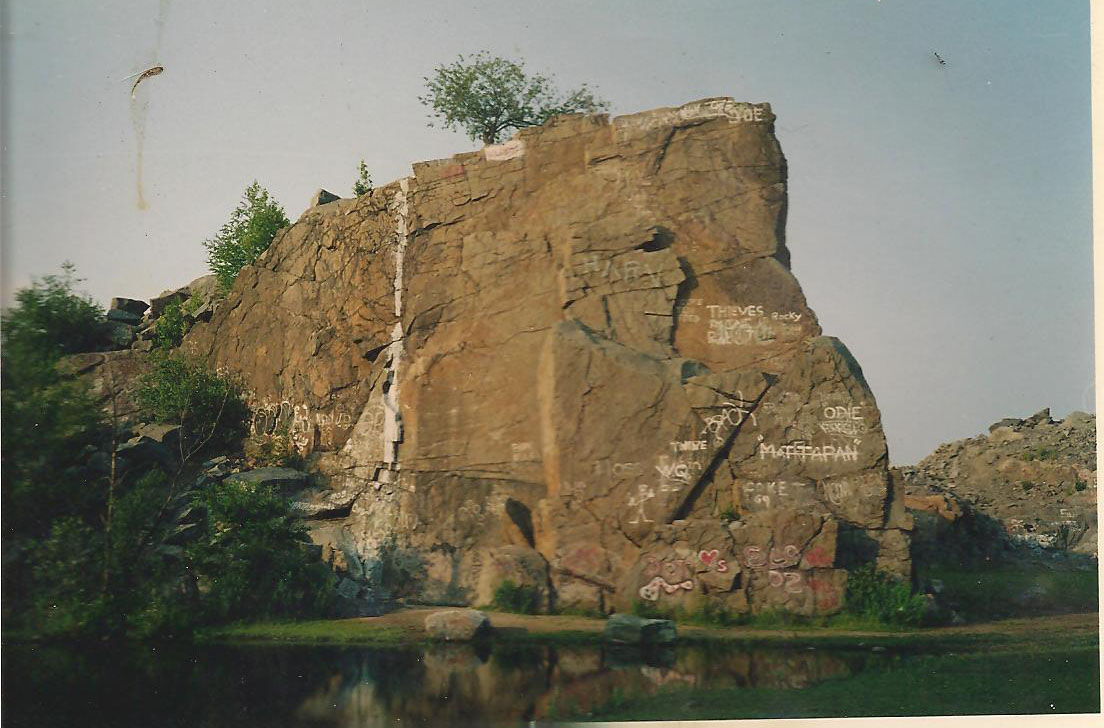
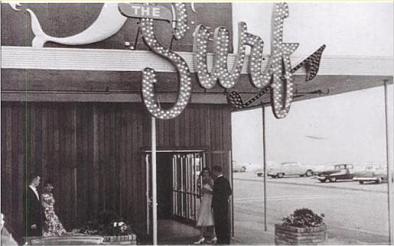
My friends and I led charmed lives at the Quincy Quarries, Surf Nantasket, and Wollaston Beach

ON THE SOUTH SHORE recounts those lives.

The time was short, but retelling these tales brings back those years, if only for a moment.

They were good ones on the South Shore.

EXCERPT from GAY BOY

That next fall my parents were happy and my mother gained weight like she was storing fat for a harsh winter. As her belly grew beyond belief I wondered if she was ever going to stop eating, since Frank and I usually received any leftover cake.

The leaves changed color in October and in November JFK beat Richard Nixon to become the first Catholic president. The cold weather arrived in December and Pearl Harbor Day 1960 dawned with a hoary frost topping the fields south of the Neponset River.

During lunch my 3rd Grade class stared out the windows at sullen northern clouds. We ate our sandwiches in silence. The nuns believed that Jesus barely spoke during his Agony on the Cross and their students were expected to follow his example in thought and deed.

A shrill bell signaled recess and the classes boiled from the school into the sub-freezing temperature. Standing still on the icy asphalt meant frozen feet, so the girls skipped tattered ropes, while the boys kicked misshapen balls around the rear parking lot.

Right before the end of the play period our station wagon rolled down the school’s driveway and Chuckie joked, “Here comes the jail truck from Billerica Reform School.”

Having endured endless ribbing about the metal bars across the windows of the station wagon from family and friends, neither my brother nor I laughed with our classmates. Funny was for other people, but my father got out of the car with a broad smile.

Mother Superior demanded with a sense of command backed by the Church, “What are you doing here?”

In her mind a man’s place at this hour was at his job, because at this hour we belonged to her.

“I want to speak to my boys.” He waved for us to come closer.

“Impossible” Mother Superior expected obedience from adults as well as children. “No.” My father had been brought up in Maine and he confirmed that his authority superseded the Church by telling us, “You mother had a baby boy.”

“We have a baby brother?” Frunk was confused and so was I.

“You didn’t know your mother was having a baby?”

“I thought Mom was getting fat.” Any woman would have gained weight from her recent feeding frenzy.

“She was fat with your baby brother. We’re going to see him.”

“You can’t disrupt the school day like this.” Steam fumed from Mother Superior’s dragon beak.

“They’ll make it up at Church this Sunday.”

As a convert to the faith he was immune to the nun’s wrath, but my brother asked timidly, “What about our books?”

“No one does homework on Baby Day.” My father waved to my sisters and they ran over to us.

“They’re going to the hospital to see their mother.”

“Is Mom okay?” I asked with concern.

“She’s fine. Let’s go.”

We piled in the car and he drove to Beth Israel Hospital, humming IT’S BEGINNING TO LOOK ALOT LIKE CHRISTMAS.

“This is not a playground,” my father said entering the hospital. The lobby smelled cleaner than our house.

“Yes, sir.”

“I expect you to be on your best behavior.”

“Yes, sir.” Our submission to our elders was complete.

We filed one by one into the private room in Richardson House.

My mother lay on a bed with a small baby on her chest. My Nana held our now second youngest brother, Padraic. A white uniformed nurse sat on a chair reading the Record-American. We stood around the bed. Our new brother was very pink.

“He weighs seven pounds.” My father touched the small body and his little fingers squirmed like spring worms rising from the earth. We were a bigger family by one and each of us smiled with a shared happiness.

My parents named their sixth child after my grandmother’s uncle. The young priest had met the fourteen year-old girl off the boat from Ireland and placed Nana in a Salem household staff. My grandmother had danced with our grandfather at a church outing in Marblehead.

In my mother’s mind our next two generations owed their existence to Uncle Mike and she prayed that at least one of us might take up the Cloth to return the favor. I didn’t have the heart to confess my atheism.

Those first months Michael was a miracle and I rushed home from school to feed, bathe, and rock the tiny creature in a cradle from my grandmother’s house in Maine. After having six kids in eight years my mother was grateful for my assistance, however this peaceful period ended with his first bout of infantile teething.

My mother and I sang him GOLDMINE IN THE SKY a thousand times. His bawling destroyed our attempts at harmony. One day Michael fell asleep and we sat on the bed in relief. The support struts creaked under our weight and his unearthly howl filled the bedroom. He seemed shocked for a second, then smiled before drifting into a blessed slumber.

That was as bad as it got.

Michael was very special.

To read more of ON THE SOUTH SHORE, please go to Kindle Direct at this URL

www.amazon.com/dp/B00CA51TA8

A time machine to the past.

Saturday, July 27, 2013

15 Ways to Know That You're Old School South Shore

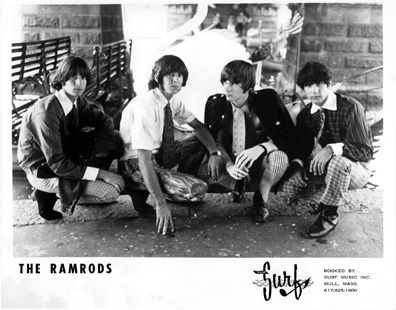
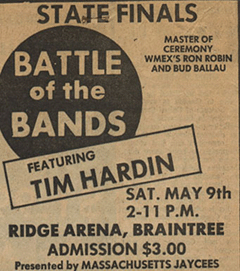
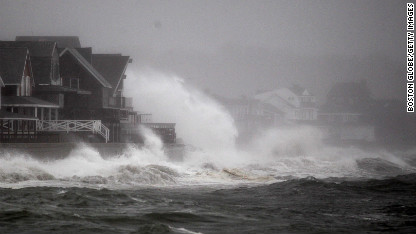
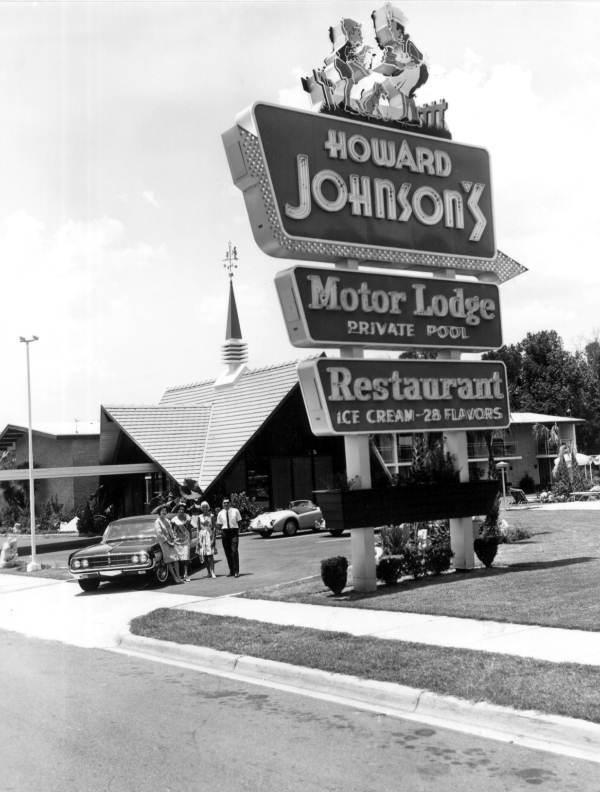
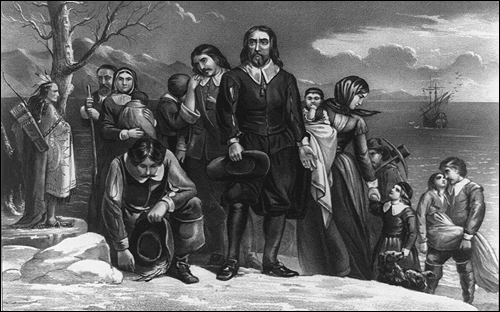
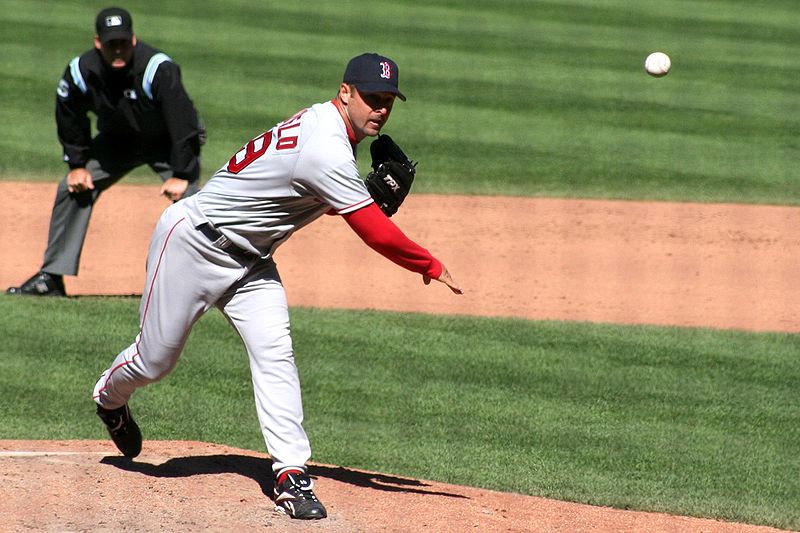
1.) You dove off Shipwreck and lived to tell the tale without getting a car antenna in your arm. 2.) You remember the SS Mayflower at Nantasket Beach. I had a head-on crash there in 1969. VW versus a Delta 88. 3.) The Surf Nantasket was your favorite dance hall. 5.) The Rocking Ramrods were your favorite band. Watch this URL http://www.youtube.com/watch?v=LJLYq0tHAPk 6.) Ridge Arena was your favorite concert hall. I saw Teddy and the Pandas with the Loving Spoonfuls there. http://www.youtube.com/watch?v=lQk7p2Ybx50 7.) You can't wait for winter to be over, so you can get fried clams at Wollaston Beach. 8.) Big Blue Hill is the highest elevation in your childhood. 9.) You saw a ship launched on the Fore River. 10.) You've driven down to Hull to watch the hurricane batter the sea wall. 11.) You made it from Wollaston to Nantasket in 15 minutes. On 3A 12.) Hojos was your favorite ice cream. 13.) Your hometown was founded by a Pilgrims. Their last names are not yours. They don't call the South Shore 'the Irish Riviera' for nothing. 14.) If you know Tim Wakefield is the most famous person to ever come from the South Shore. 15.) You consider the Neponset River as a protective barrier against Boston. Not its people, but the city. May it run deep forever.

Sunday, October 28, 2012

THE EYE OF THE STORM by Peter Nolan Smith

My father loved a good storm and in 1960 Hurricane Donna in 1960 hit New England as a category 2/3 storm on the second Monday of September. WBZ announced numerous school closing. My primary school, Our Lady of the Foothills, was one of the first on the list. My older brother and I were happy to stay home. We were new kids in town.

That morning a raging gale howled against our split-level ranch house and the windows vibrated in their sashes. The electricity died at noon and my father lit a kerosene lamp on the kitchen table. Our family of eight huddled around the flame like Neanderthals sheltering in a cave.

Several hours later the hurricane abated to what seemed a whisper.

"The eye of the storm." My father rose from his chair and motioned for my older brother and me to follow him to the front door.

"Where are you going?" my mother demanded with arms on her hips. She was a beautiful woman, but her voice rang with the authority of someone who had carried six babies in her womb.

"Outside to show them the eye."

"Hurricanes are not a joke." My mother had been through the 1938 hurricane. It didn't have a name. Hundreds of New Englanders had been killed in its path.

"I know." My father shrugged weakly.

Hurricane Edna in 1954 had destroyed his sailboat on Watchic Pond. The hull lay in the backyard. Six years later he had yet to repair the damage to the mast. Six kids were a lot of work. He pointed out the living room window. "The skies have cleared. We'll only be a few minutes."

"I wanna go too." My second youngest brother bounced off his chair. My mother grabbed his wrist.

"Only a few minutes." My mother trusted my father to obey his promise. He loved her enough to convert to Catholicism.

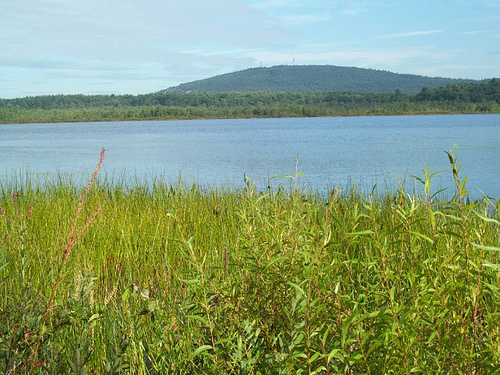
"I'll keep them safe." My father led us outside. We lived in the shadow of Chickatawbut Hill. A sultry wind raced through the trees. Branches were scattered across the yard. Overhead a counter-clockwise swirl of the cloud funnel opened to the blue heavens.

"That is the eye of the storm."

The three of us 360ed on the lawn to gawk at the storm's awesome power and glory. Lightning pulsed within the cloud wall like the Aurora Borealis. If my best friend hadn't drowned a month ago, the cyclonic display would have reinforced my faith in the Almighty. Instead I said, "Wow."

Rain dotted the walkway. The brief respite was coming to an end, My mother yelled at us to get inside.

My father lifted his finger for another few seconds.

He had fought the Maine's Great Fire of 1949. I never had seen him scared other anything other than my mother's wrath. He quickly explained to my older brother and me how hurricanes formed in the tropics. We were 9 and 8. His meteorological lesson was lost on us, but the oppressive pressure of the powerful storm weighed heavily on our skin.

"Remember this for the rest of your life. Few people see this."

My mother's next demand was an ultimatum.

"If you don't come in, I'm locking the doors." She was serious.

"After it's over, we'll drive to Revere Beach." My father guided us inside the house.

The second half of the hurricane stuck within minutes and lasted into the evening. The weatherman on WBZ radio announced the all-clear message wagon, as we were going to sleep. School had been cancelled throughout New England. My father was excited as a child on Christmas Eve and he whispered a reminder.

"Tomorrow Revere Beach."

And the boyish joy in his voice kept us awake for another three minutes.

Tomorrow promised to be a big day.